%2Ffit-in%2F250x250%2Fguide_websites%2F15479%2Fimages%2F1715645721216image88.png&w=1920&q=100)
/users/4fc0418d-a0a2-4256-82fd-17d4119c6f77/ratecard/image-2024-05-14t070934.171.png)
%2F300x300%2Fusers%2F4fc0418d-a0a2-4256-82fd-17d4119c6f77%2Fratecard%2Fimage-2024-05-14t070934.171.png&w=256&q=75)
%2F300x300%2Fusers%2F4fc0418d-a0a2-4256-82fd-17d4119c6f77%2Fimages%2Fpanama-city-fishing-adventure-2485.jpg&w=256&q=75)
%2F300x300%2Fusers%2F4fc0418d-a0a2-4256-82fd-17d4119c6f77%2Fimages%2Ffishing-fun-panama-city-2375.jpg&w=256&q=75)
%2F300x300%2Fusers%2F4fc0418d-a0a2-4256-82fd-17d4119c6f77%2Fimages%2Fgag-grouper-fishing-florida-2461.jpg&w=256&q=75)
%2F300x300%2Fusers%2F4fc0418d-a0a2-4256-82fd-17d4119c6f77%2Fimages%2Ffishing-fun-florida-2413.jpg&w=256&q=75)
%2F300x300%2Fusers%2F4fc0418d-a0a2-4256-82fd-17d4119c6f77%2Fimages%2Fexcellent-fishing-trip-panama-city-2443.jpg&w=256&q=75)
%2F300x300%2Fusers%2F4fc0418d-a0a2-4256-82fd-17d4119c6f77%2Fimages%2Ffishing-adventure-florida-2394.jpeg&w=256&q=75)
%2F300x300%2Fusers%2F4fc0418d-a0a2-4256-82fd-17d4119c6f77%2Fimages%2Fgrey-triggerfish-florida-fishing-2367.jpeg&w=256&q=75)
%2F300x300%2Fusers%2F4fc0418d-a0a2-4256-82fd-17d4119c6f77%2Fimages%2Ffishing-trip-florida-2414.jpeg&w=256&q=75)
%2F300x300%2Fusers%2F4fc0418d-a0a2-4256-82fd-17d4119c6f77%2Fimages%2Fgreater-amberjack-fishing-fl-2411.jpeg&w=256&q=75)
%2F300x300%2Fusers%2F4fc0418d-a0a2-4256-82fd-17d4119c6f77%2Fimages%2Fbarred-sand-bass-florida-fishing-2503.jpeg&w=256&q=75)
Top-Rated Panama City Offshore Fishing Charters
 Panama City, FL
What you will be catching:
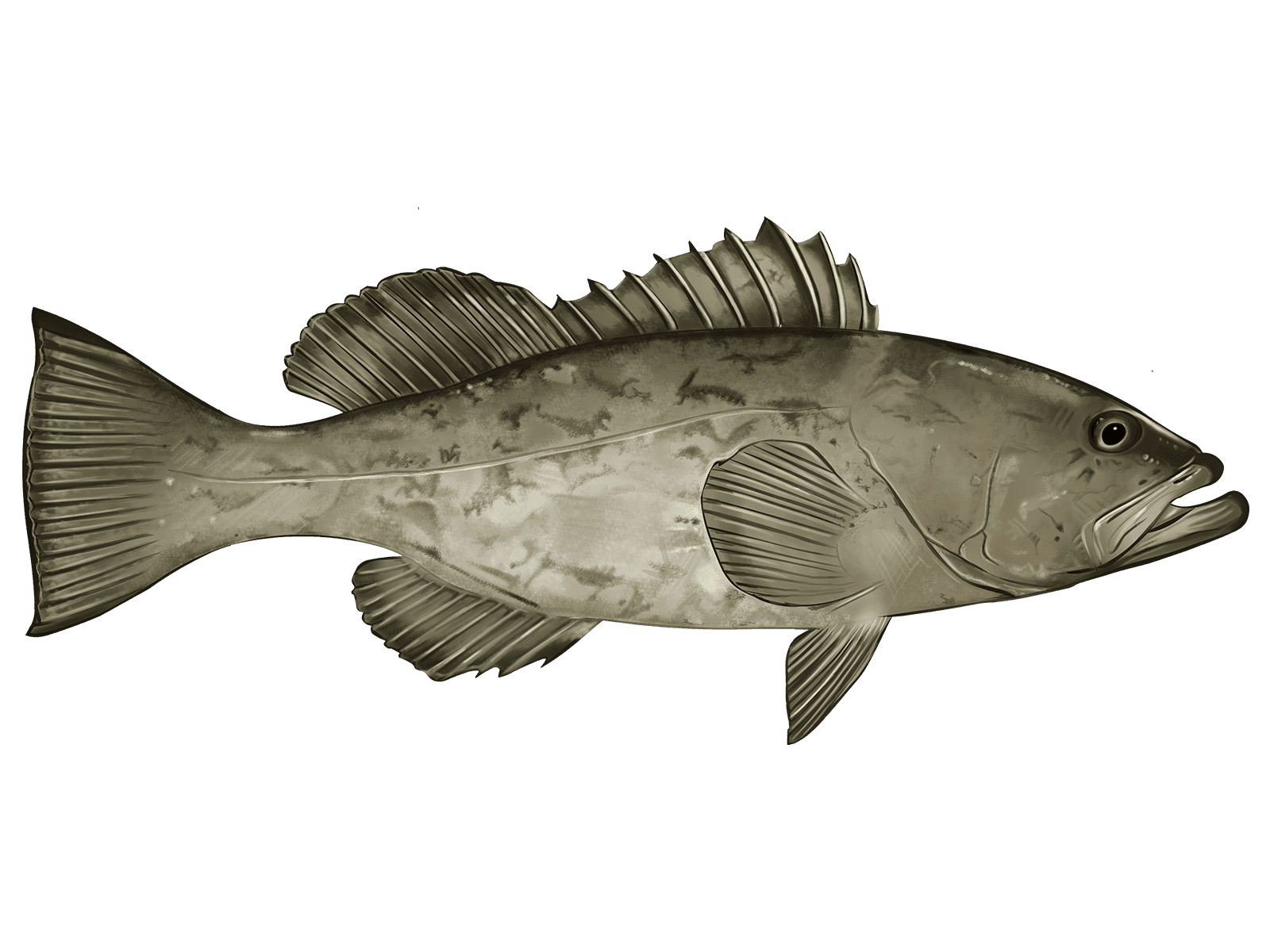
 Gag Grouper
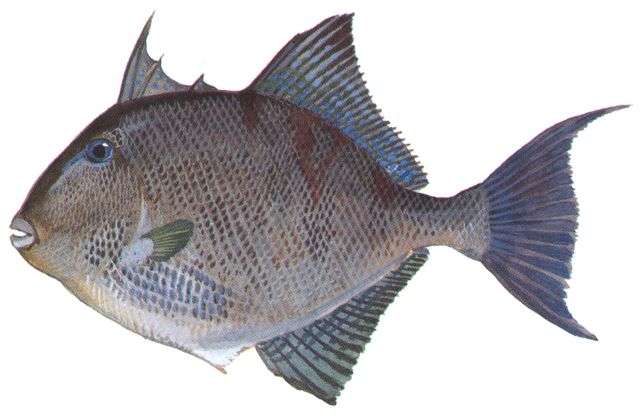
 Grey Triggerfish
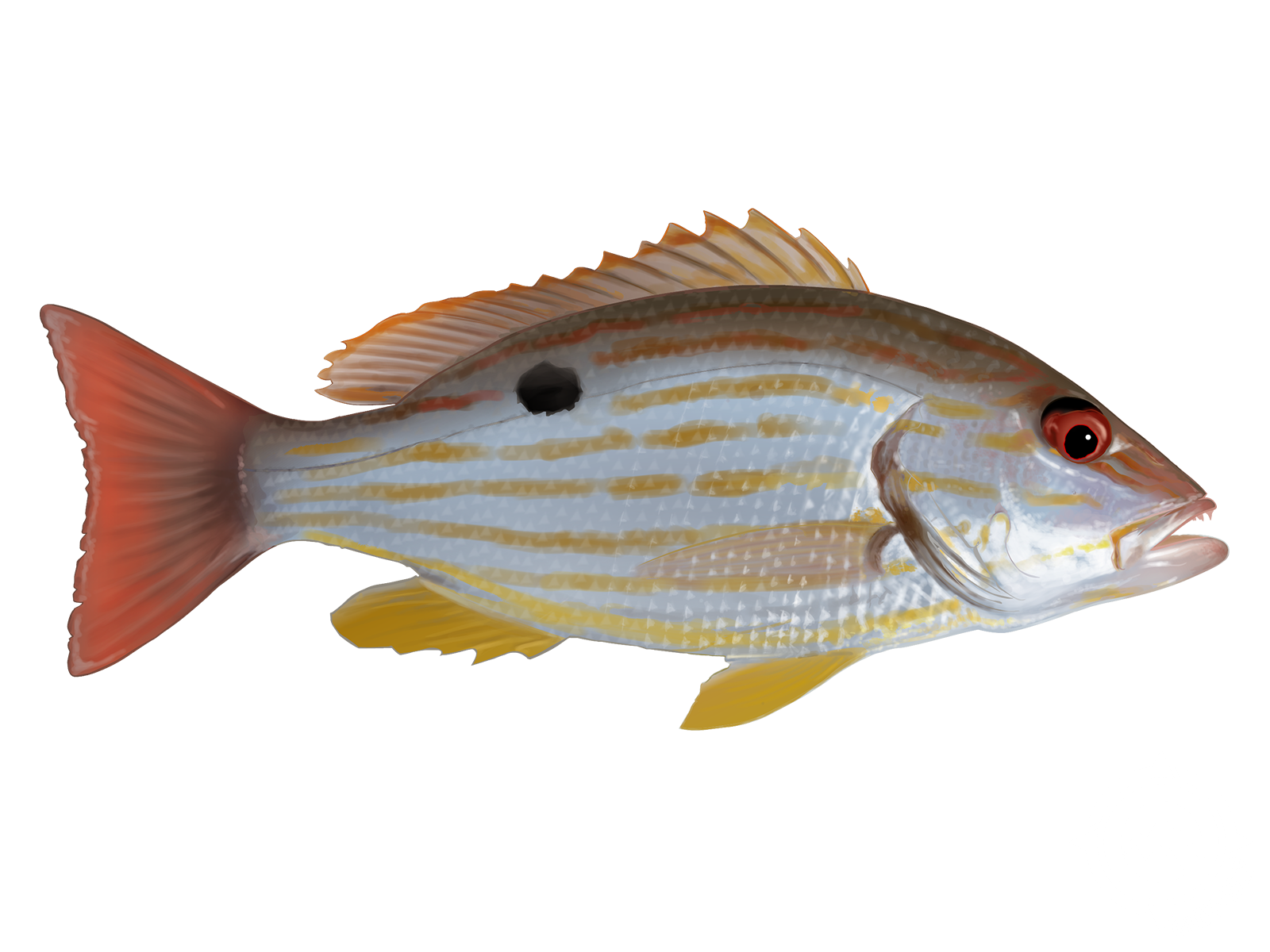 Lane Snapper
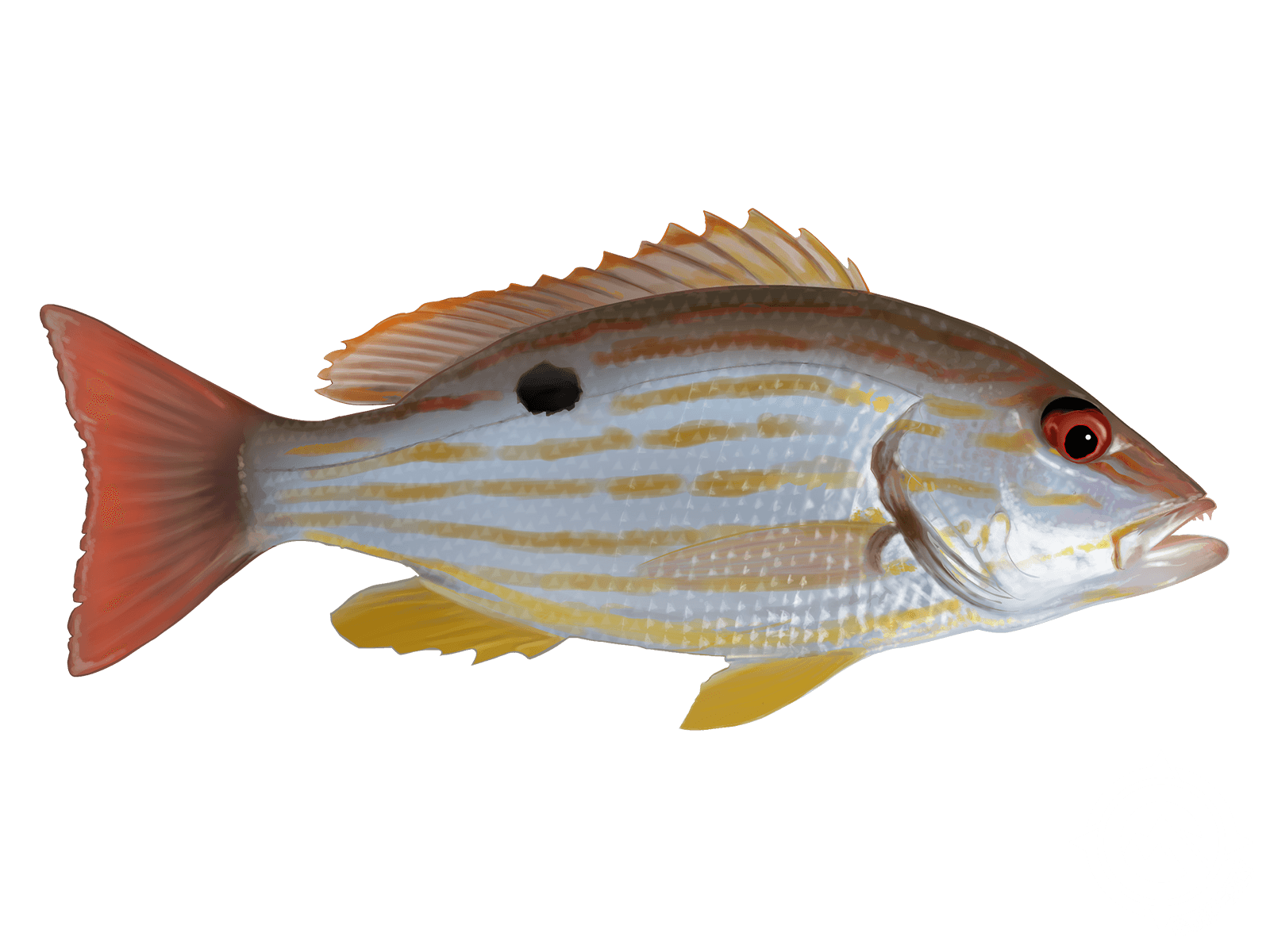
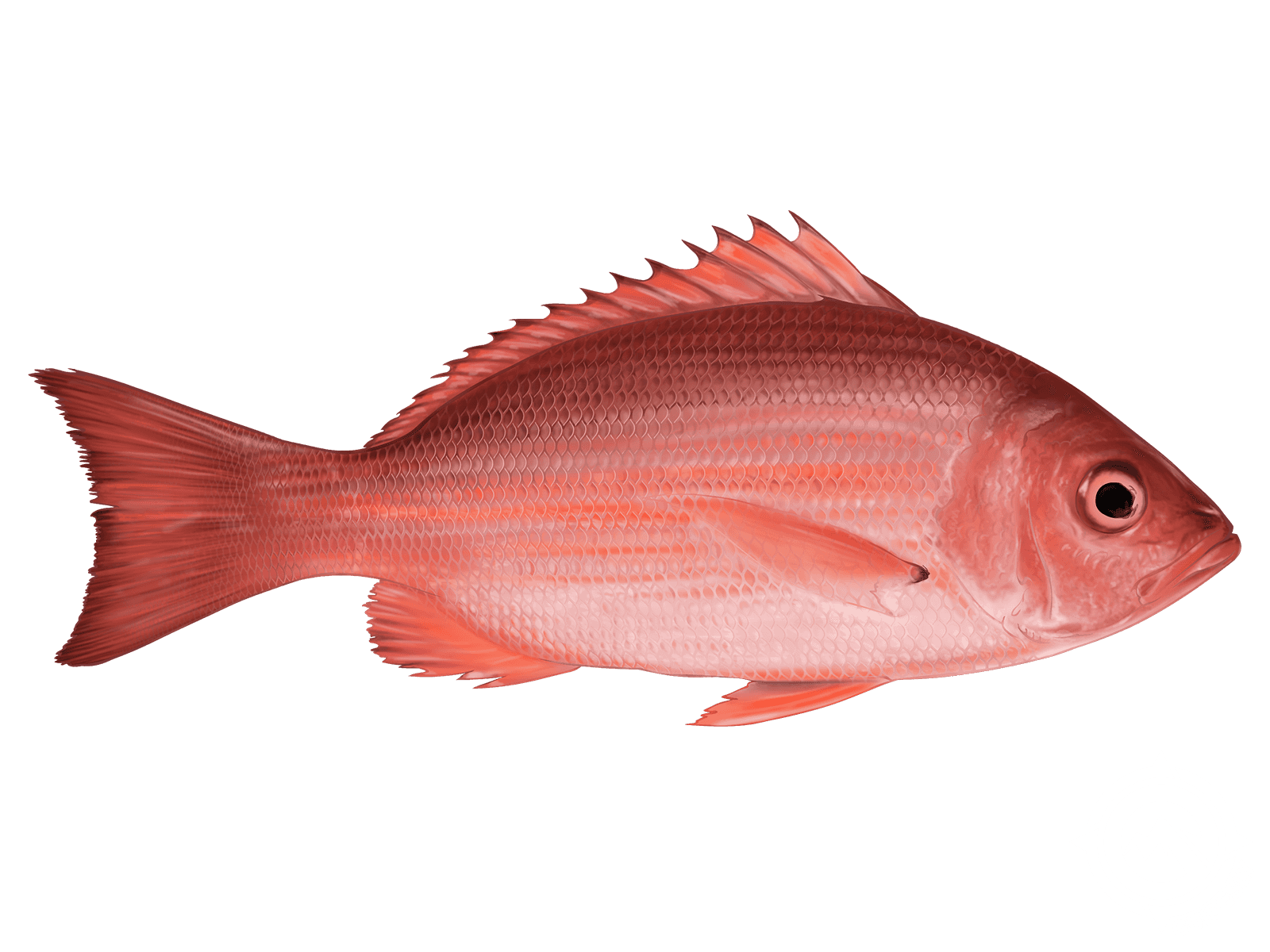
 Red Snapper
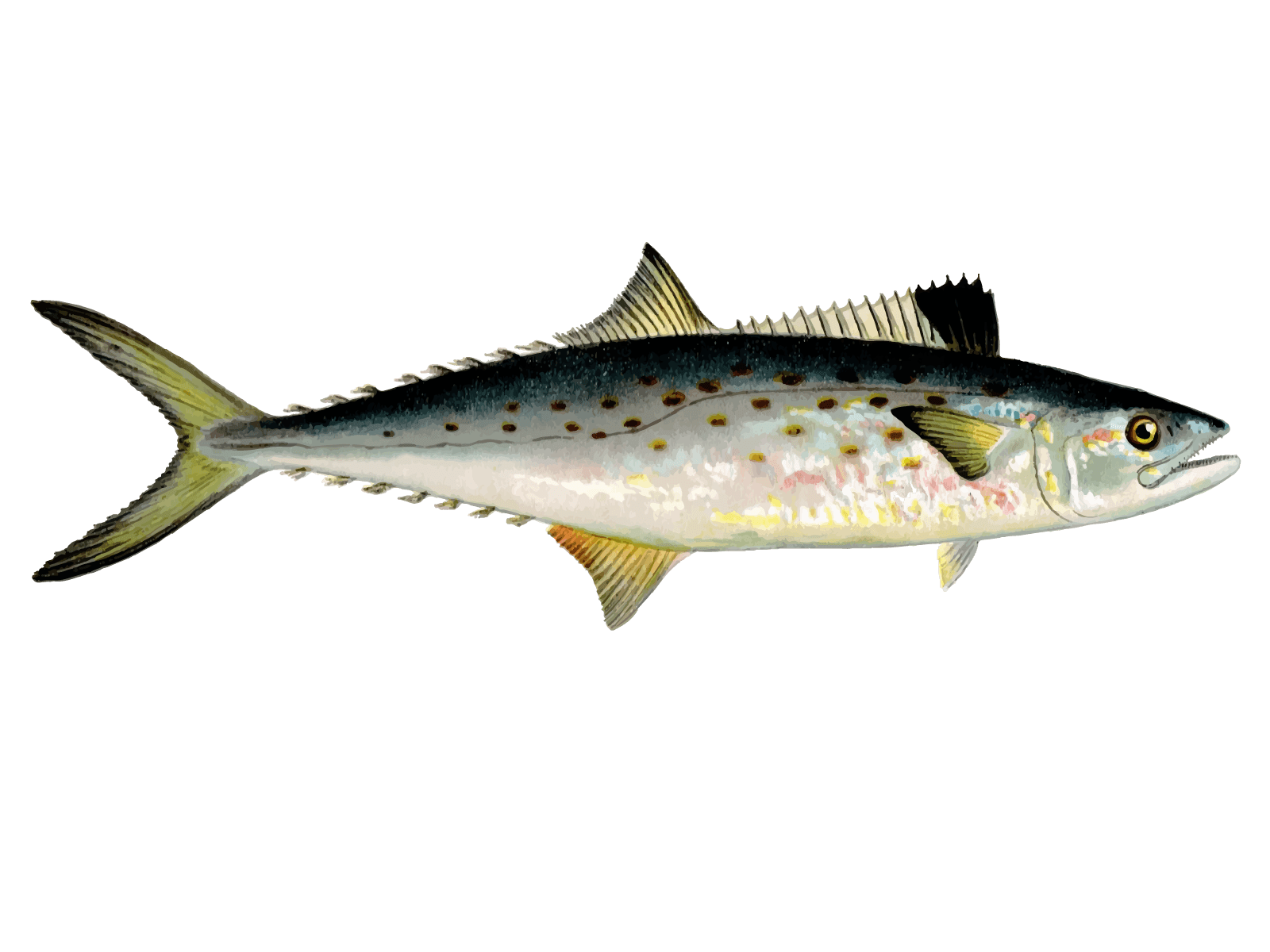
 Spanish Mackerel
- Full-day Gulf of Mexico offshore fishing for snapper and mackerel
- All equipment, tackle, bait, and fishing licenses provided onboard
- Expert crew guidance with boat capacity for up to six guests
Trip Pricing and Availabilities:
Gulf Fishing Adventure: Panama City's Hidden Gems
Hey there, fellow angler! Ready to hit the Gulf for some serious fishing action? Our full-day trip out of Panama City is the real deal. We're talking about a custom-tailored experience that'll have you reeling in snappers, mackerel, and maybe even a trophy grouper. Whether you're a seasoned pro or just getting your feet wet, we've got you covered with all the gear and know-how to make this a day on the water you won't forget.
What's the Deal on Deck?
Picture this: You're cruising out into the emerald waters of the Gulf of Mexico, the salt spray on your face, and the anticipation building as we head to the hottest fishing spots. We're flexible out here – could be trolling for Spanish mackerel one minute, then dropping lines on a reef teeming with snapper the next. It's all about what's biting and where the fish are running. Don't sweat the small stuff; we've got all the gear you need, from rods and reels to bait and even your fishing license. Just bring your game face and maybe a cooler for your catch.
Fishing Styles: Mix It Up
Alright, let's break it down. We've got a few tricks up our sleeves to make sure you're on the fish. Trolling's the name of the game when we're after those speedy Spanish mackerel – we'll be cruising along, lines in the water, waiting for that telltale strike. When it's reef fishing time, we'll anchor up or drift over structure, dropping baits down to where the snappers and triggerfish hang out. And for you thrill-seekers, wreck fishing might be on the menu. We'll position over sunken structures where the big boys like grouper love to hide. It's all about reading the water, knowing the spots, and adjusting our tactics to what's working on the day.
Species You'll Want to Hook
Grey Triggerfish: These oddball fish might look funky with their tiny mouths, but don't let that fool you. They put up a surprisingly good fight for their size. Best part? They're delicious. Look for them around reefs and structures, usually in the warmer months. They're crafty little buggers, known for their ability to lock themselves in crevices with their dorsal spines when hooked.
Red Snapper: The crown jewel of Gulf fishing, these beauties are what dreams are made of. With their bright red color and tasty white meat, they're always a crowd-pleaser. We typically target them in the summer months when regulations allow. They love hanging around reefs and wrecks, and when you hook a big one, get ready for a workout – they don't come up easy!
Lane Snapper: The little cousin of the red snapper, these guys are no less fun to catch. They might be smaller, but they're abundant and make for some great light tackle action. You can find them year-round, often mixed in with other species on the reefs. Their sweet, mild flavor makes them a hit on the dinner table too.
Spanish Mackerel: If you're looking for speed, these are your fish. We catch them trolling near the surface, and when they hit, it's like lightning. They're seasonal visitors, usually showing up in big numbers during the warmer months. Keep an eye out for birds diving – that's often a dead giveaway that a school of Spanish mackerel is feeding nearby.
Gag Grouper: Now we're talking about some serious muscle. Gag grouper are the bruisers of the reef, known for their powerful first run that'll have you holding on tight. We target these guys around rocky bottoms and wrecks, usually in cooler months. Landing a big gag is always a highlight of any trip – they're as good on the plate as they are on the line.
Why Anglers Keep Coming Back
Look, I've been running these waters for years, and I still get a kick out of seeing folks' faces light up when they reel in that first big one. There's something special about being out here, away from the noise of the city, just you and your buddies or family, focused on nothing but the next bite. Every trip's different – that's the beauty of it. One day you might be in a mackerel frenzy, the next you could be battling a monster grouper. It's that mix of relaxation and excitement that keeps people coming back for more.
Time to Book Your Spot
So, what do you say? Ready to get out there and make some fishing memories? Whether you're looking to fill the cooler with tasty fillets or just want to enjoy a day on the water with good company, we've got you covered. Don't let this chance slip away – the fish are out there, and trust me, they're not catching themselves. Grab your spot on the boat now, and let's go find out what's biting in the big blue playground of the Gulf. See you at the dock!
Learn more about the species
Gag Grouper
Gag grouper are the bulldogs of the reef. These hefty fish average 10-20 pounds but can top 50. You'll find them around rocky bottoms, reefs, and wrecks in 60-250 feet of water. They're most active in cooler months, with peak season from fall through early spring. Gags are ambush predators, so they like to hole up in structure. When hooked, they'll try to dive back to their lair, so you need stout tackle to turn them. Live bait like pinfish or squid works well. Drop your bait right into the structure and be ready for a hard strike. Gags put up a stubborn fight and their white, flaky meat is excellent eating. Here's a local trick: when you feel that first thump, don't set the hook right away. Let them take it for a second, then reel down and lift.
Grey Triggerfish
These tough little fighters are a blast to catch. Usually 1-2 feet long, you'll find them around reefs and wrecks 60-180 feet deep. They love structure, so look for them near coral, rocks, or sunken debris. Grey triggerfish put up a scrappy fight for their size, with sharp teeth and a habit of locking themselves in crevices with their dorsal spines. They're crafty bait stealers too. For the best shot at landing one, use a small, strong circle hook with squid or cut bait. Keep your line tight and reel fast when you feel a bite - these guys are quick. The meat is white and flaky, great for fish tacos. Just watch out for those teeth when you're unhooking them. Prime season is usually spring through fall when the water warms up.
Lane Snapper
Lane snapper are the candy-striped cousins of red snapper. Smaller but just as tasty, they usually run 1-2 feet long. You'll spot them by their pinkish color with yellow stripes. Lane snapper like to hang out near reefs, wrecks, and grassy areas in 60-180 feet of water. They're most active in warmer months, especially during their spawning season from March to September. These fish are aggressive eaters and not too picky, so they're great for novice anglers. Use light tackle with small hooks and pieces of squid or cut bait. They often school with other snapper species, so you might catch a mixed bag. Lane snapper fight hard for their size and make excellent table fare. For best results, try fishing for them at night when they're feeding heavily.
Red Snapper
Red snapper are the crown jewels of Gulf fishing. These beautiful red fish average 5-10 pounds but can grow over 30. You'll find them hanging around reefs, wrecks, and rocky bottoms in 60-300 feet of water. They're most active in warmer months, with peak season May through October. Red snapper put up a great fight, especially the bigger ones that like to dive for cover. Their firm white meat is prized for its sweet, nutty flavor. To catch them, use heavy weights to get your bait down deep. Fresh cut bait like cigar minnows or squid works well. Keep a tight line and set the hook fast - these guys are smart and will spit out a bait quick if they feel resistance. For a real treat, try bottom fishing at night when the big ones come out to feed.
Spanish Mackerel
Spanish mackerel are the speedsters of the Gulf. These sleek, silvery fish with yellow spots can hit 60 mph in short bursts. They average 2-4 pounds but can reach up to 12. You'll find them in schools near the surface, often around bait pods. They migrate seasonally, showing up in our waters from spring through fall. Spanish mackerel are known for their fierce strikes and acrobatic jumps. Light tackle and fast retrieves are the way to go. Try trolling with small spoons or jigs, or cast to feeding schools. Live bait like pilchards works great too. These fish are a blast to catch and make for some tasty eating, especially when grilled fresh. Pro tip: look for diving birds to find feeding schools. When you see that, it's time to start casting.
About the Cabin Cruisers
%2F%2Fusers%2F4fc0418d-a0a2-4256-82fd-17d4119c6f77%2Fvehicle_picture%2Fimage5.png&w=1920&q=75)
Vehicle Guest Capacity: 6
Manufacturer Name: Yamaha
Maximum Cruising Speed: 35
Number of Engines: 1
Horsepower per Engine: 250